

Mandela Social Justice Day
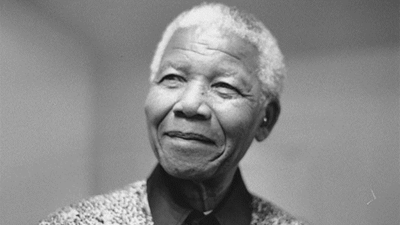
Join the Mandela Day Committee in celebrating Nelson Mandela's legacy of social justice! See the Mandela Day website for more.



 Stronger Together
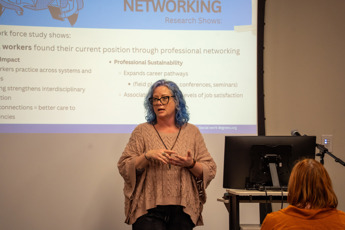
On March 6th, CSJE Intern Mandy Sims presented "Stronger Together: Reciprocal Benefits of Community Engagement of Social Workers, Students, Organizations, and the Community" at the USI Annual Social Work Conference. This presentation supports the CSJE initiative of community engagement. See more at the CSJE initiative page.
 Sierra Club Field Trip
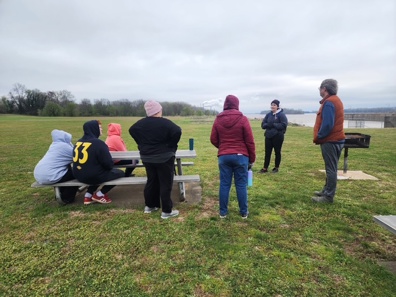
On March 27th, 2026, CSJE went on a guided walk with the Sierra Club where we learned about the impact of energy services on the environment, the community, and policy. If you were unable to attend in person, you can access information at the local chapter website at https://www.sierraclub.org/indiana and learn more about connecting people to the outdoors on their "Outdoors Together" and explore their documentary on the YouTube page.
 Informing Voters
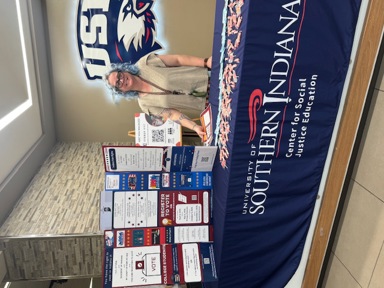
On April 1st, 2026, CSJE provided students with information on registering to vote and making a voting plan for the upcoming elections. If you were unable to attend, you can visit at https://indianavoters.in.gov/ . At this link you can register to vote, check your registration, check your polling place, and check who's on your ballot.
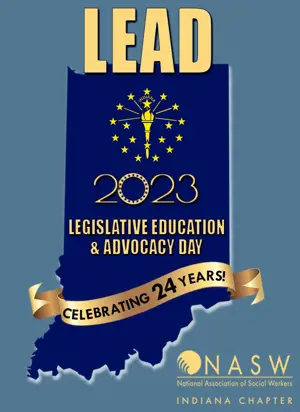
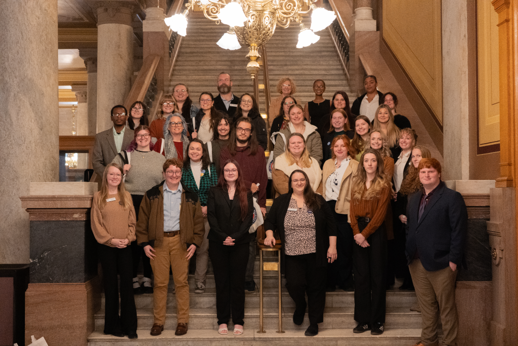 The University of Southern Indiana College of Liberal Arts Social Work Department and the Center for Social Justice Education attended LEAD on February 23rd, 2026:
LEAD provides social workers and social work students the opportunity to gather at the Indiana Statehouse to actively engage in the legislative process by creating meaningful dialogue with elected officials, strengthening advocacy skills, deepening understanding of policymaking, promoting social justice, and uniting social workers across the state to advance the core values of the profession.
Senator Shelli Yoder, Representative Alex Burton, and Representative Wendy McNamara spoke with students and faculty about legislation affecting social work and the communities it serves and answered their questions. Speakers from the National Association of Social Workers-Indiana Chapter and other leaders also emphasized the critical role social workers play in society. Students were able to explore the statehouse and see a portion of House of Representatives proceedings.
If you were unable to attend, you can see a virtual tour of the statehouse on their website at https://www.in.gov/idoa/virtual-tour/
CSJE took a guided tour through the Evansville African American museum on February 23th, 2026. If you were unable to attend in person, you can access the historical video from the beginning of the tour at https://youtu.be/U37uCWb15q8?si=7cdBGE-LStOxrv_R and explore other videos on their YouTube channel or visit their website at https://www.evvaam.org/.
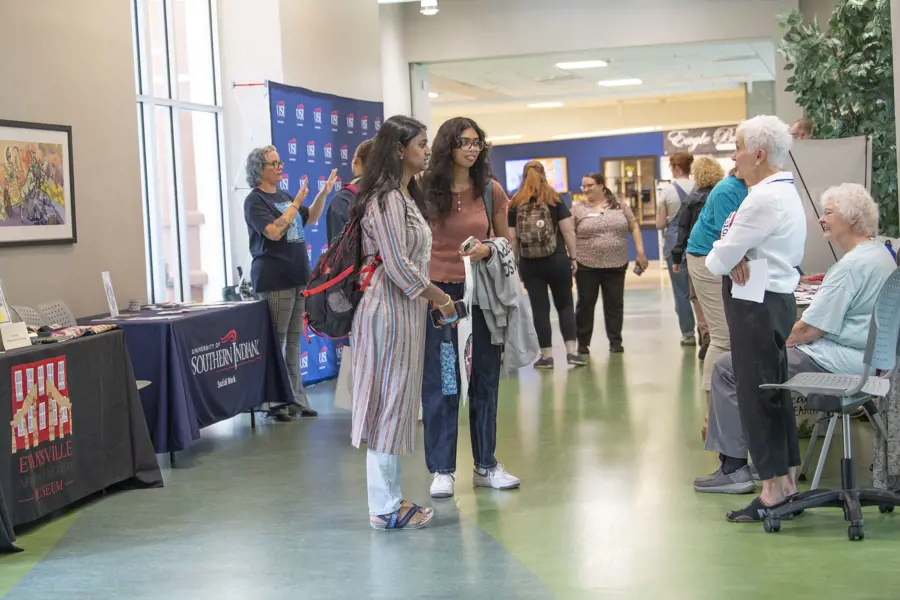
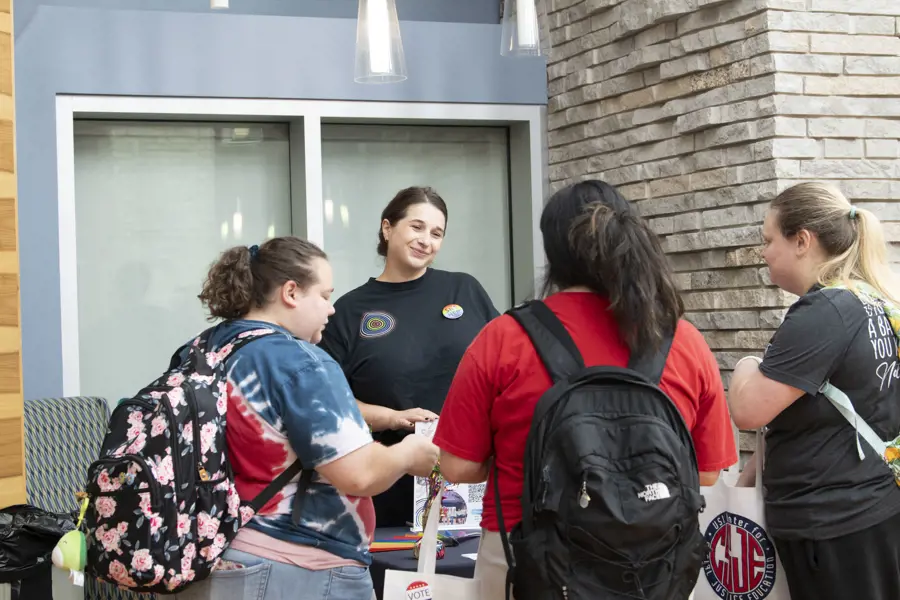
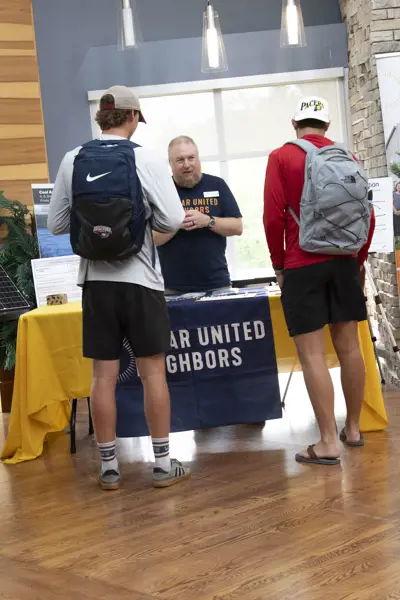
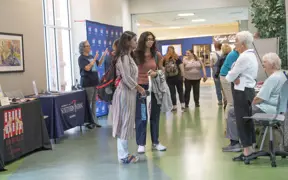
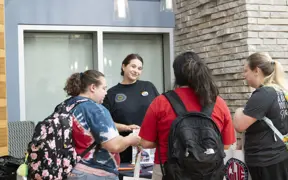
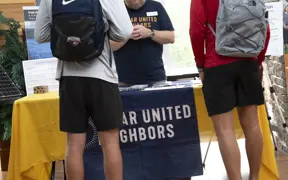
Students learned more about the organizations in the USI and the Evansville community and discovered how to engage with these groups and organizations doing work important to them!
To see videos from our community partners, visit our CSJE Initiatives page.
Black Reproductive Health: Getting at the Root Cause of Inequity
Featuring Dr. Rachel R. Hardeman
Structural racism disadvantages Black birthing people before, during, and after pregnancy, leading to heartbreaking health inequities for them and their babies. Relationship-centered and culturally-centered care models provide needed support to Black birthing people, making strides on the path towards racial birth equity.
Gender stereotypes, social expectations and career aspirations in STEM
A panel discussion sponsored by the Pott College Equity, Diversity, & Inclusion Committee
A Time of Crisis: Maternal Mortality in Indiana
Presented by Dr. Laurel Standiford Reyes, Sponsored by the College of Liberal Arts Equity, Diversity, & Inclusion Committe.
Consent and Sexual Safety
Sponsored by the USI Recreation, Fitness, and Wellness Center
Consent and sexual safety are topics that only recently have escaped the label of "taboo". This presentation will move beyond the basics to explore the nuances of consent and how to be an active participant, in addition to investigating safe sex practices for a spectrum of genders, sexualities, and identities.
After the Supreme Court struck down the Roe v. Wade decision on June 24, several states, including Indiana, passed laws restricting or prohibiting reproductive rights. Each state’s laws vary and punish different people, leaving many questioning what will happen if they become pregnant and want to terminate the pregnancy. Will they be held criminally liable after experiencing a miscarriage? Will people face prison if they cross state lines to obtain an abortion? Will abortion pills still be accessible? What will the post-Roe legal landscape look like? These, and many more questions, are being considered.
What the Indiana abortion law means for me
Join this discussion on Zoom and hear from ACLU representatives.
The Pregnancy Police: Conceiving Crime, Arresting Personhood
Join this Zoom webinar with former USI faculty member, Dr. Grace Howard. According to Howard, a wave of state legislation restricting the right to abortion has drawn attention to the contingency of rights of pregnant people. However, the regulation and criminalization of pregnant bodies in the United States began many years before. Drawing from original research in criminal cases, as well as from notable family court hearings, lawsuits and news reports, Howard explores some of the ways in which pregnant people have become subject to surveillance, regulation and control.
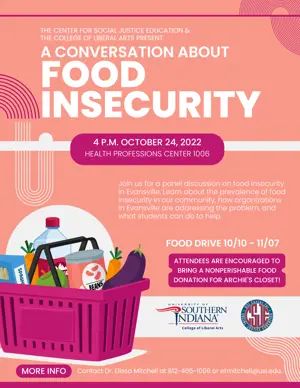
Join us for a panel discussion on food insecurity in Evansville. Learn about the prevalence of food insecurity in our community, how organizations in Evansville are addressing the problem, and what students can do to help.
Bring a non-perishable food donation to benefit Archie’s Closet!
Archibald Eagle’s Food Closet is a service for all members of the USI community to promote the health and wellness of USI students and employees. Archie’s Closet stocks non-perishable food products, like peanut butter, canned meats/tuna, pasta, rice, beans, vegetables, soups, and canned fruit, and personal hygiene products such as toilet paper and tissues. The closet is maintained through donations.
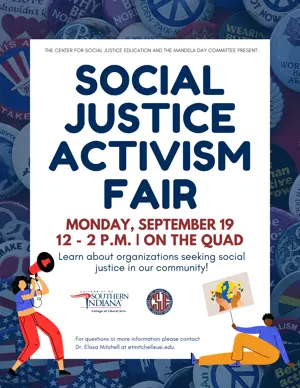
Learn about organizations seeking social justice in our community!